
Translate text in image online.
Same font. Same layout. New language.
The model translates the phrase you enter, then repaints it. Check meaning, spelling and line breaks before publishing.
No credit card required to start. Sign in for a free edit.
By clicking Generate, you confirm you own or are licensed to edit this image and that the edit is not intended to deceive a third party — including fake refund or transaction proofs and email or chat screenshots altered to falsify sender, content, or timestamp.
We do not process IDs, passports, certificates, bank records, receipts, payment proofs or chat screenshots. See our Acceptable Use Policy.
Translate text in image means replacing a supplied phrase in a picture with a translation that aims to match the existing lettering and layout. Upload one image, enter the original phrase and choose one supported target language. Review the result before downloading. Fast uses the 1K tier; a paid credit pack enables Pro at 2K. Other text needs separate edits.
Three real translations.
Localization jobs where there's no source design file — only the finished image — and re-designing from scratch is out of proportion to the task.
 Before
 After
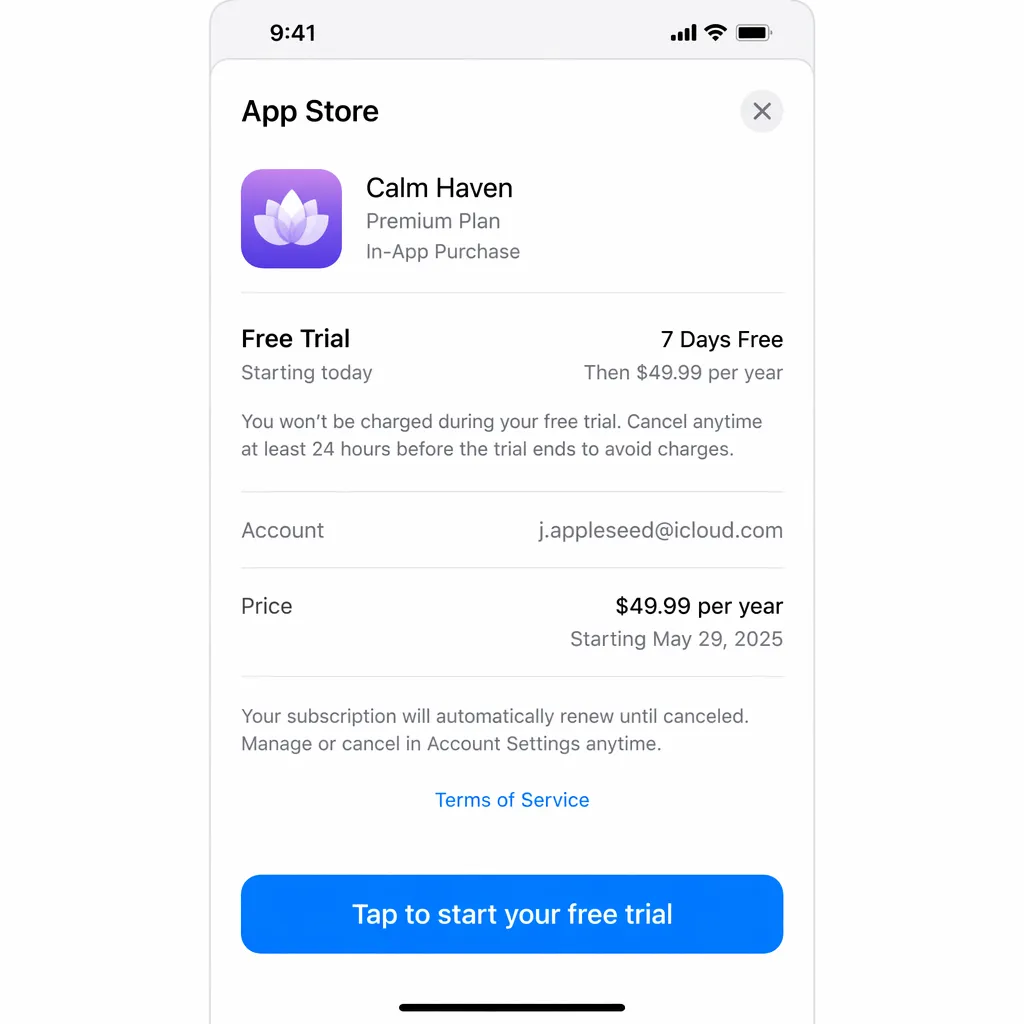
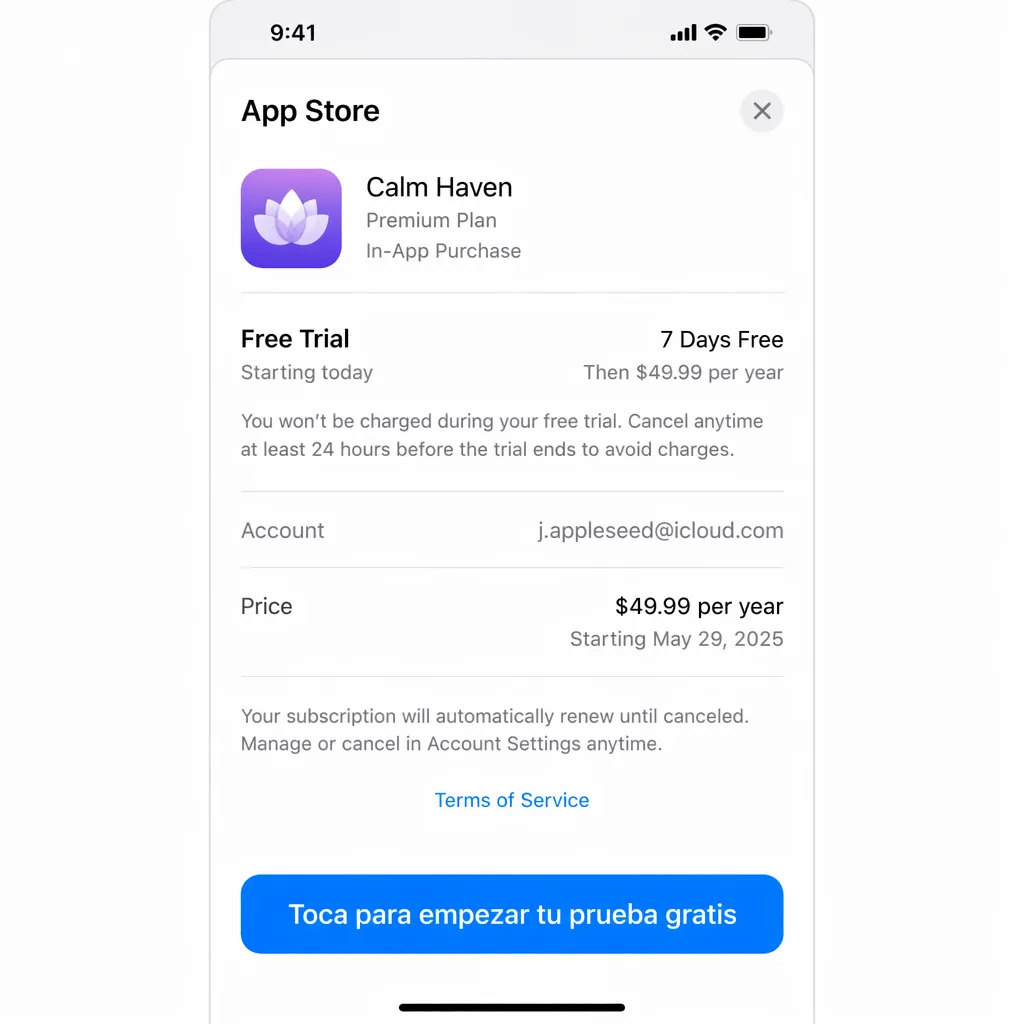
App Store screenshots — same UI, Spanish copy
To localize one caption on your own app screenshot, upload the finished image, enter the caption exactly as it appears and choose Spanish or another supported language. Review the translation and compare the status bar, icons and surrounding UI with the original. Repeat for other labels. Verify output dimensions and truthful app content before submitting the image to a store.
 Before
 After
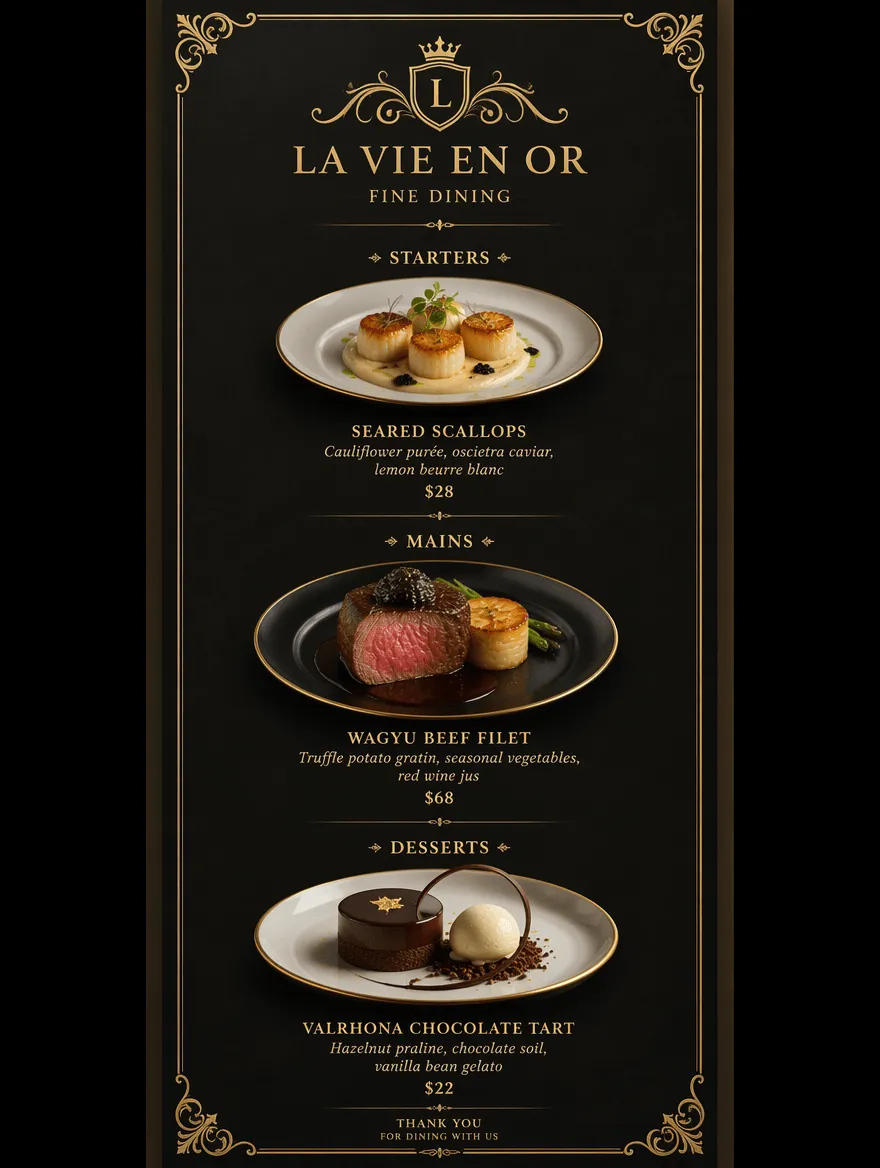
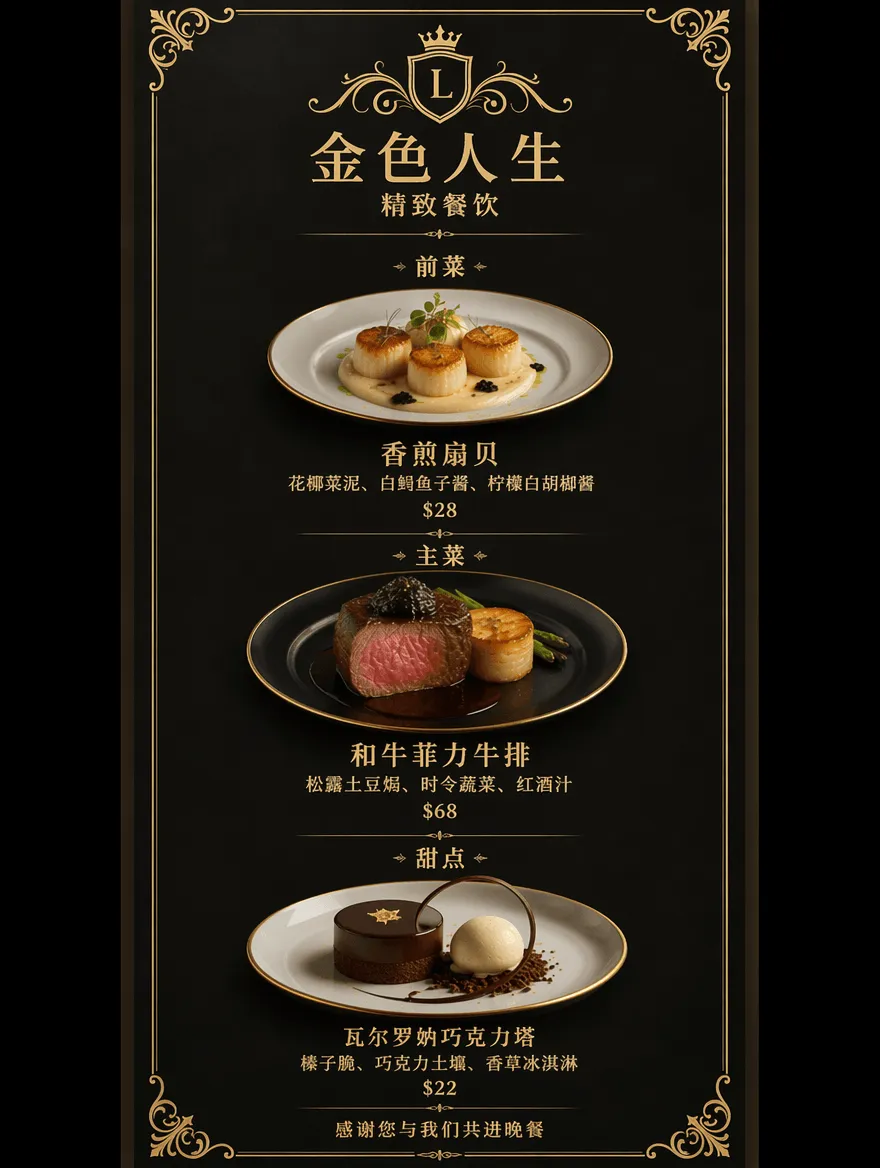
Your own menu — one photo, two languages
A restaurant near a tourist route wants an English version of its Spanish menu board photo for Google Maps and the laminated table card. There is no design file — just the photo. Translate the text in the image into English: the AI re-renders each dish name in the same chalkboard-style lettering, color and spacing, so the English menu photo looks shot on the same day, not pasted over in a word processor.
 Before
 After
A German campaign — the banner localized in minutes
Marketing shipped the summer campaign banner in English; the DACH team needs it in German by tomorrow. The agency's source file is unavailable and German copy runs ~35% longer than English. Translate the text in the image on the final PNG: the AI re-renders the German headline in the same display font and adjusts letter placement to keep the composition balanced — no agency round-trip, no redesign fee.
What does it mean to translate the text in an image?
To translate text in image is to replace a supplied phrase inside a picture — a screenshot caption, menu line, banner headline or sign — with its translation. The AI attempts to match the existing typeface, colour and position while reconstructing the covered background. It does not read and translate the entire image automatically: enter the original phrase and choose one target language for each run. The output is an editable image result, but surrounding details can change, so review it carefully. edit text in image form — swap the words, keep the design.
How to translate text from image / screenshot?
The answer depends on what you need. To merely read a foreign-language image, point Google Lens or Apple Live Text at it. To produce a translated image you can publish, the in-place workflow takes three steps:
- 1.Upload the image or screenshot. PNG, JPEG or WebP up to 10 MB — a UI capture, a menu photo, a banner, a poster. No source design file needed.
- 2.Enter the phrase and choose a language. Type the original phrase and choose one supported target language. One generation translates that phrase for 1 credit. Repeat for other lines or languages. If you already have a reviewed translation, use Replace text and enter the exact wording you want instead.
- 3.Download the localized image. Download and review the individual result. Fast uses 1K and paid Pro uses 2K. Exact dimensions vary; check names, prices, dates and nearby artwork before publication.
What people translate, and what to check in each case
The same upload, original-phrase and target-language flow works on different image types. Each has details worth checking before publication: labels, numbers, line breaks and nearby artwork can all need review.
Banners and ad creatives
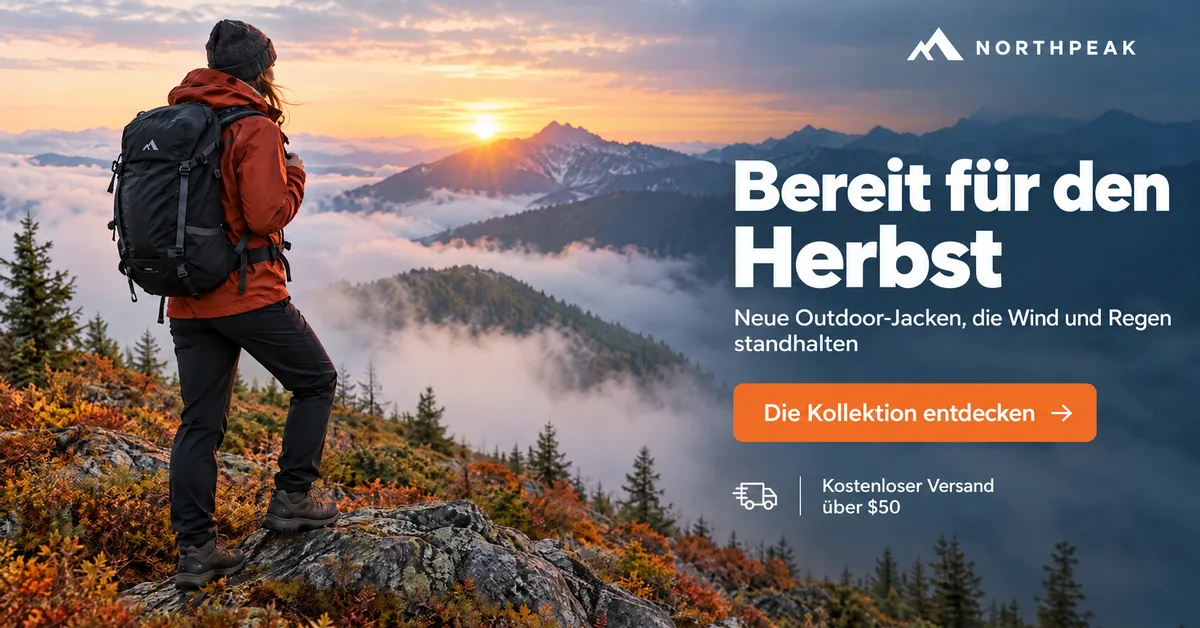
Ads live on the headline, and translations are rarely the same length: German runs about a third longer than English, French about a fifth. The translation is fitted into the block the original occupied, so on a tight banner it gets smaller rather than spilling out — worth a look at phone size. Each ad size (1200×628, 1080×1080, 1080×1920) is its own image, so translate them separately. The translator is told to leave brand names, prices and URLs alone, and usually does — but check them: in our own tests it once turned “$50” into “50 €” and translated a brand name. A price that should change currency is a one-line fix in replace mode.
 Before
 After
English → German. Brand, button and price stay put; the headline is re-set in the same weight.
Posters and flyers
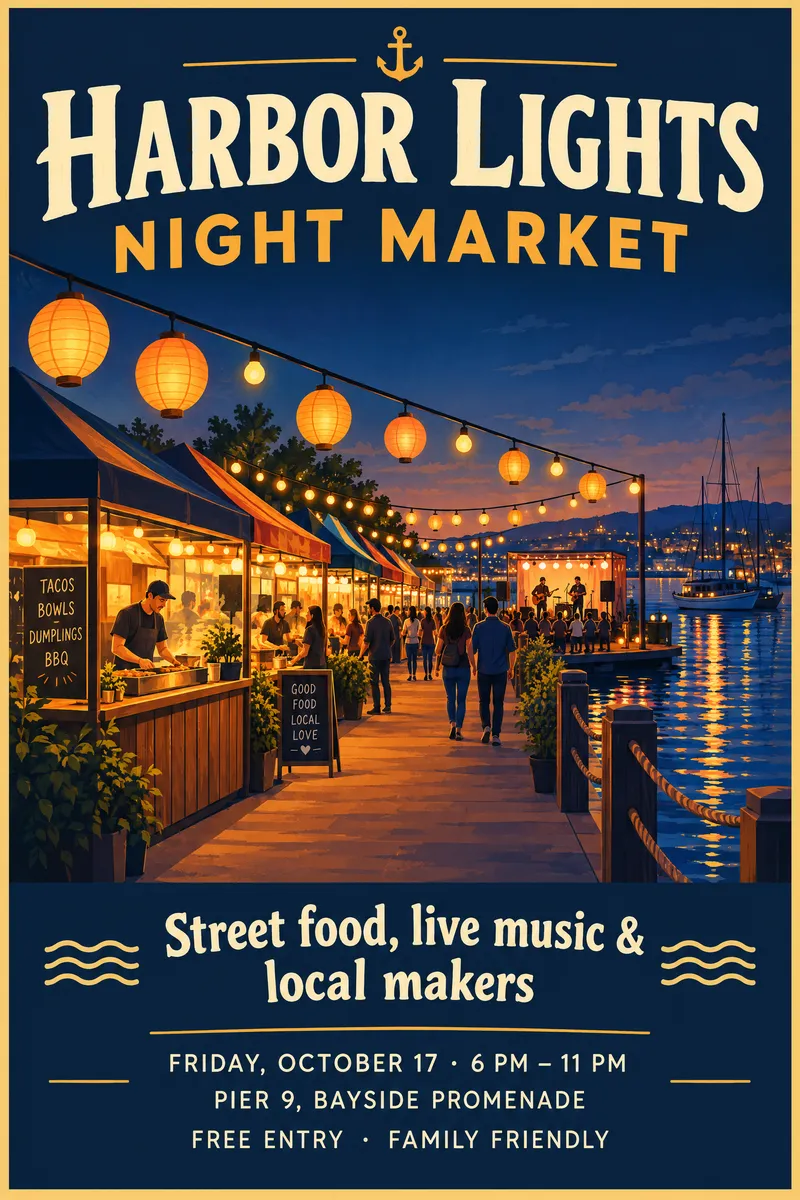
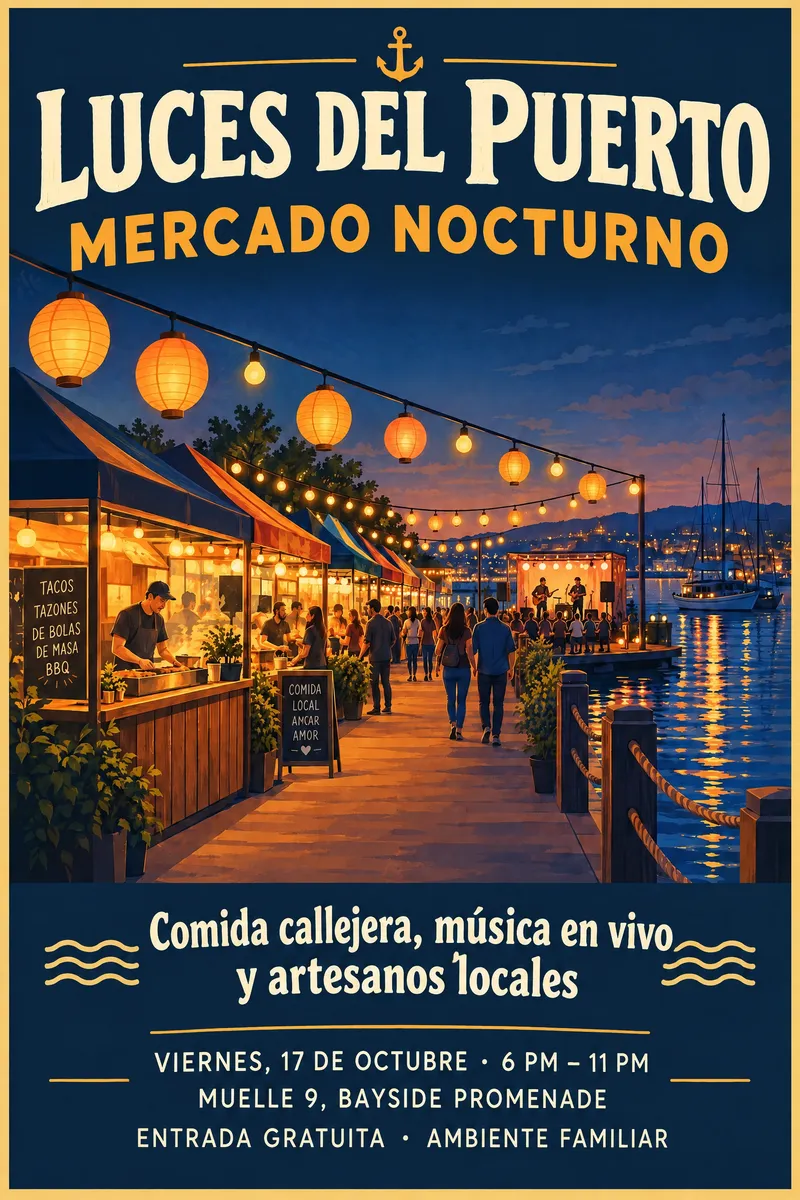
Event posters combine a headline with dense small print such as dates, times, venues and ticket links. Translate one supplied phrase per generation, and review every number and name before publishing. Fast uses the 1K tier and paid Pro uses 2K. For many lines or a large print run, the original editable design may be more suitable. For a wording change without translation, see editing text in a poster.
 Before
 After
English → Spanish. Note the event name was translated too — some organisers want that, some don't; fix it in replace mode if not.
Restaurant menus
For a menu board or table card you already have a photo of. Dish names are the judgment call: some should stay in the original (paella, ramen, crêpes) and a full translation may translate them anyway. Fix those afterwards in replace mode, one dish at a time. Prices keep their digits, but not their currency sign if the menu is aimed at visitors paying in the same currency — check that it still reads right. For price and dish updates in the same language, see editing text in a menu.
Infographics and slides
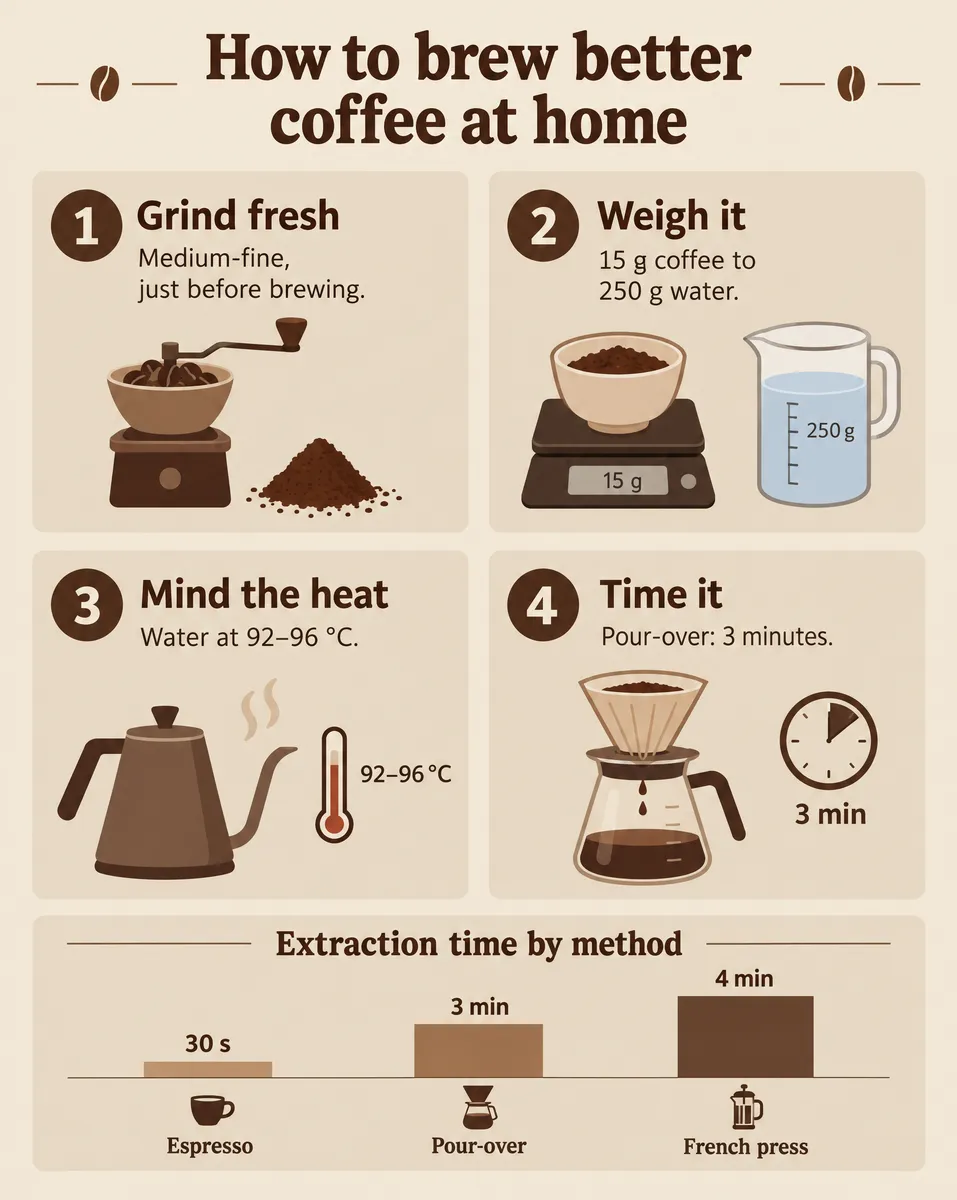
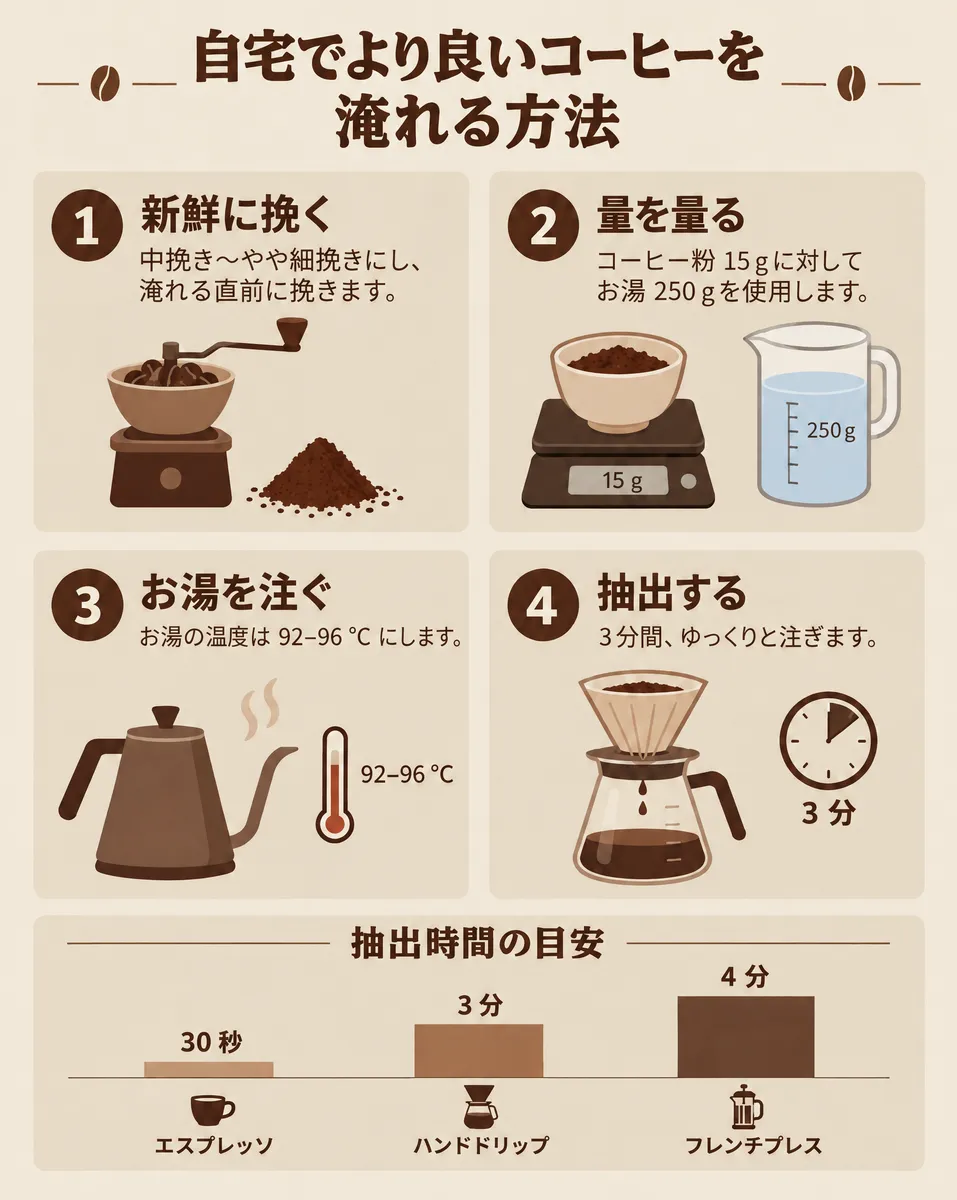
The language selector supports English, Spanish, French, German, Portuguese, Simplified Chinese, Traditional Chinese, Japanese and Korean. Choose one target language per generation and supply the original phrase. Review spelling, names, numbers and line breaks with a fluent speaker before publishing; visual and translation quality vary by image and script.
 Before
 After
English → Japanese reference example. In EditText, translate one supplied phrase per run and check quantities, temperatures and chart labels before publication.
Video thumbnails
Few words, big letters, heavy outlines — the easiest case, because there is room and the style is bold enough to carry across scripts. Keep the translation as short as the original (four or five words); a thumbnail that needs a second line has stopped being readable at phone size. The 1280×720 frame is kept as it is.
 Before
 After
English → Portuguese. The yellow outline lettering carries over; the longer Portuguese line is fitted into the same block.
Packaging and labels
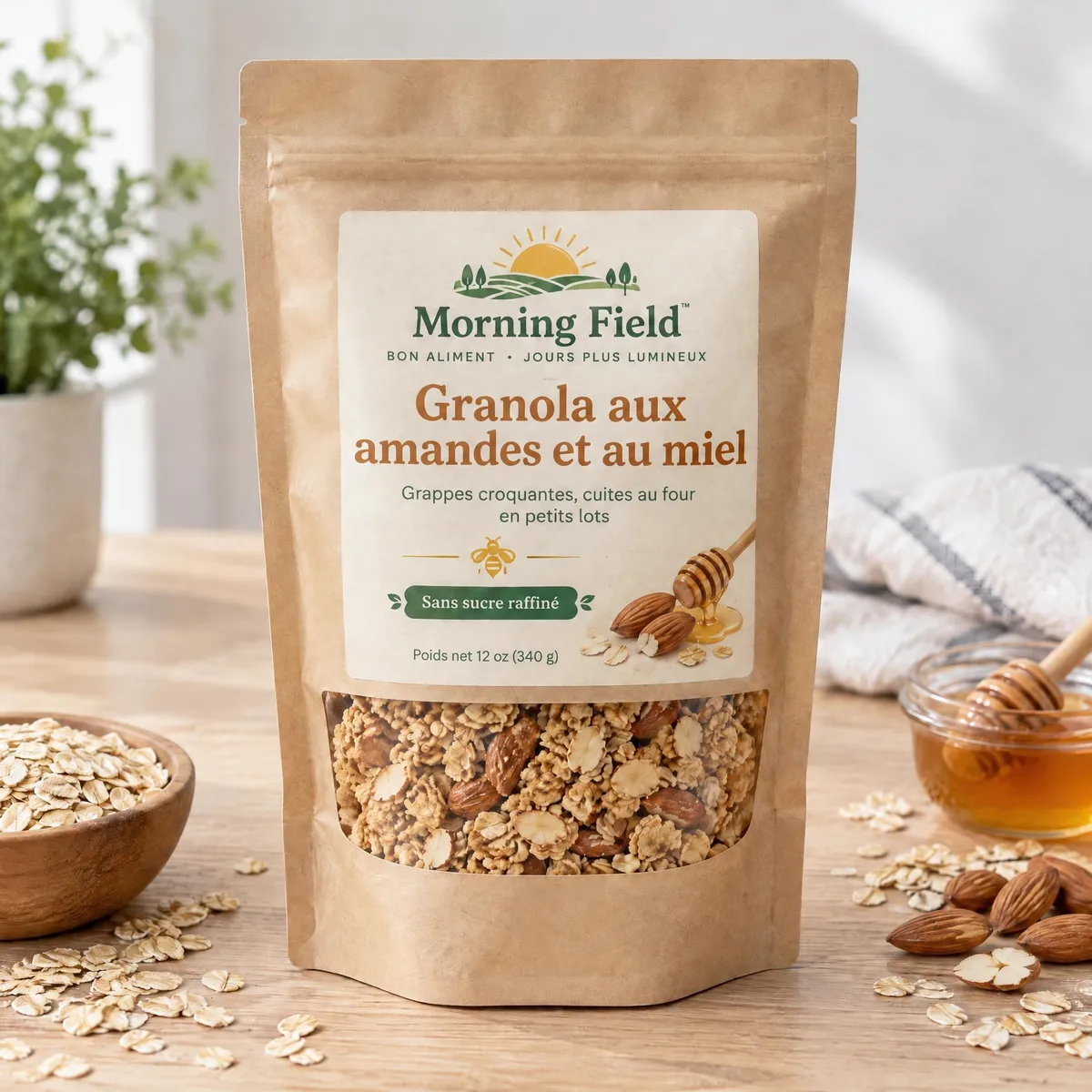
Fine for marketing photos and mockups of your own product. Anything regulated — ingredients, allergens, dosage, safety warnings — must be checked by someone qualified in the target market, because the translated image will be read as if it were the real label. Selling on Amazon, Shopify or Etsy? Translating product images covers listing photos and supplier images.
 Before
 After
English → French. The brand name stays; the product name and claims are translated on the curved pouch.
App Store and Google Play screenshots
For app-store artwork, use the same phrase-by-phrase workflow. Download each reviewed image individually and verify its dimensions before submitting it. See the screenshot-specific guidance: translate App Store screenshots.
Frequently asked questions
How do I translate text in a picture and keep the same font?+
Upload the picture, pick the language you want, and click Generate. The AI samples the typography around the original text — typeface, weight, color, letter spacing, shadows — and re-renders the translation in that same style, so the localized image looks like it was designed in the target language from the start. No font hunting, no manual matching.
How to translate text from image or screenshot online?+
Upload one image to EditText, enter the original phrase and choose one supported target language. The AI attempts to translate that phrase into the existing style. Review the wording, nearby details and dimensions before downloading. Each phrase and language is a separate 1-credit generation; the first account credit is free.
Can I translate text in an image for free?+
Yes — every new account gets 1 free credit, which covers one full-resolution edit with no watermark and no card required. One credit translates one image into one language, however many lines are on it — a full menu photo into English is one credit, the same banner into German, French and Spanish is three.
What's the difference between this and Google Lens or Google Translate?+
Google Lens and Google Translate's image mode are reading aids: they overlay a machine translation on your camera view so you can understand a sign or a document, but the patched image is rough — flat rectangles of approximated background color with a generic font. EditText is a production tool: it re-renders the translated words into the image with the original typography and background reconstructed, so the result is something you can publish — a localized screenshot, banner or menu photo, not a translation overlay.
How do I translate a screenshot from Japanese to English online?+
Upload the screenshot, choose English, and generate — you don't need to read or type Japanese, the AI finds and translates the text itself. Korean → English, Chinese → Spanish or any other direction works the same way. Printed-style UI fonts translate most reliably; dense handwritten scripts may need a second pass.
Does the AI translate for me, or do I type the translation myself?+
The AI translates the original phrase you supply into the target language you select. It does not automatically translate every line of the image. Review names, numbers, units and tone before publishing, and repeat separately for other phrases. If you need exact reviewed wording, use Replace text and enter your own translation as the replacement. Machine translation and visual matching can both need correction.
How do I translate text in an image on my iPhone or Android phone?+
Open edittext.net in a mobile browser, upload an image, enter the original phrase and choose a supported target language. Review and download the result. No app installation is needed; EditText does not provide a separate mobile app.
Will the layout break if the translation is longer than the original?+
Usually no — the AI fits the translation into the same visual block, adjusting letter size and spacing within the space the original occupied. Expansion is a real constraint though: German runs ~35% longer than English, and French ~20%. For very tight layouts (a button label, a narrow banner), prefer a shorter translation variant so the re-rendered line keeps the original's visual weight.
Which languages and scripts are supported when I translate text in an image?+
The language selector supports English, Spanish, French, German, Portuguese, Simplified Chinese, Traditional Chinese, Japanese and Korean. Choose one target language per generation and supply the original phrase. Review spelling, names, numbers and line breaks with a fluent speaker before publishing; visual and translation quality vary by image and script.
What file formats and resolutions are supported?+
PNG, JPEG and WebP up to 10 MB are supported. Convert HEIC or PDF to one of those image formats first; oversized files must be reduced before upload. Fast uses the 1K tier, and a paid credit pack unlocks Pro at 2K. Actual output dimensions depend on the image and provider. Review the translated phrase, nearby details and final dimensions before publishing.
Is it legal to translate text in an image?+
Translating images you own or have license to adapt — your product screenshots, your menu, your marketing assets — is normal localization work. What's not allowed: translating or altering identity documents, certificates, or legal documents, and republishing copyrighted images you have no rights to. Responsibility for uploaded content sits with the uploader — see our Acceptable Use Policy.
Can I translate text in multiple places on the same image?+
No. A generation translates one supplied phrase into one target language for 1 credit. A menu with twenty separate lines needs separate edits for those lines. Review dish names, allergens, prices and numbers carefully before publication. For a large menu or several languages, an editable source layout may be easier to maintain.
How to translate words from a picture?+
To read the words, point Google Lens, Google Translate's camera or Apple's Live Text at the picture and the translation appears on screen; to get a translated copy of the picture, the words have to be replaced in the image itself. For a few labels on a flat background you can do it by hand: copy the text out with Lens, translate it, cover the original in Photopea and type the translation on top in a font that has the target language's characters. For longer text or text on a photo, upload the picture here, pick the target language (20 are available, one credit per image per language) and download the image with the text rewritten in place. Have a native speaker check anything you will publish, and expect German or French to run longer than English.
how do i edit text in a png image for free?+
You can edit text in a PNG image for free using online tools that automatically maintain the original font and style. EditText is one such tool that works efficiently without requiring a download or subscription. To start, you simply upload your PNG image to EditText, which supports files up to 10 MB. It uses generative inpainting to replace the words while preserving the background seamlessly. Unlike manually editing in software like Photoshop, which can be more complex and require font matching, the tool uses the surrounding area to intelligently guess the text style. Another option is Pixlr, a free online photo editor that also allows text editing within images, though it may require more manual input to achieve the same font and style consistency. Pixlr offers a range of tools similar to traditional desktop software and supports layers and advanced editing. After editing, ensure to save your work in the PNG format to maintain transparency, which is a notable feature of PNG files thanks to their alpha channel preservation. This ensures no loss of quality or unwanted background when the edited image is used elsewhere.
how do i edit text in a jpg image online for free?+
Editing text in a JPG image online for free is possible using tools like EditText and Photopea, which allow you to modify text without downloading any software. The tool offers an easy-to-use web interface where you can upload your JPG file, and it automatically detects and replaces text while preserving the original font, color, size, and background. This tool uses generative inpainting, a process that fills in text areas by sampling the surrounding pixels and ensuring that the edited text blends seamlessly with the existing image structure. The result is a high-quality edit without obvious signs of alteration. Photopea, on the other hand, simulates many of Photoshop’s features online, allowing for more manual control but requiring a bit more design skill to match font styles manually. The tool is more automated and outputs 2K results within about 30 to 60 seconds, making it ideal if you need quick and consistent edits. Both tools are free, but Photopea may require you to deal with ads unless you opt for a paid version. If you intend to further edit the image, consider saving it in PNG format to avoid lossy JPEG recompression artifacts.
is there a free tool to edit text in jpg?+
Yes, there are several free tools available to edit text in a JPG, including EditText and Pixlr. The tool is particularly designed for this task, ensuring the edited text matches the original in font, color, and size. The tool works efficiently on images up to 10 MB and handles text editing in JPG, PNG, and WebP formats, producing results with a 2K resolution in roughly 30 to 60 seconds. This service automatically samples the original text's properties and applies them to the new text using bounding-box-conditioned generation, which keeps the look consistent. Pixlr is another viable free online editor that provides a more generalized suite of editing features. It allows you to add and edit text in images but might require you to manually adjust font settings to match the original. Canva can also be used for editing text in images; however, it may not perfectly replicate the original text style unless you spend additional time customizing fonts and colors. For optimal outcomes, especially when further edits are possible, consider using PNG when saving your images. This ensures the text and other visual elements retain their clarity, avoiding the degradation caused by lossy JPEG recompression artifacts.
why does text look different when i edit a png image?+
Text can look different when editing a PNG due to several factors, including subpixel rendering and the availability of system fonts. When you modify text in an image, the rendering might not replicate the original due to differences in how text is displayed on different devices and applications. Subpixel rendering is a technique that uses the individual pixels of an LCD screen to increase the apparent resolution of the text. However, this means that any change or movement of the text can lead to differences in appearance, especially when viewed at different resolutions or zoom levels. Additionally, if your editing tool uses a different font library than the one used to create the original text, discrepancies can occur. For instance, Adobe Fonts and Google Fonts have different sets of available fonts, which can lead to unexpected outcomes when the exact match isn't available. Using tools like EditText, which are specifically designed to match the original font closely, can mitigate these differences. It analyzes the image and selects the closest possible match in terms of weight, size, and style, ensuring a more seamless integration. To maintain color accuracy and text fidelity, it's important to save the edited image in a format that supports alpha channel preservation, such as PNG.
what's the best free tool to edit text in a png image for a menu?+
For editing text in a PNG image for a menu, tools like EditText and Pixlr offer free and effective solutions. The tool specializes in maintaining the original text style, making it ideal for editing menu images where font consistency is crucial. The tool processes PNGs up to 10 MB and uses generative inpainting methods to fill in the gaps left by the original text, matching the surrounding text's font, color, and size. It’s particularly advantageous for users looking to make edits quickly without needing to download software. Pixlr, another free option, provides a more traditional photo-editing interface that allows you to edit text manually. While it requires more manual work to match fonts and styles, Pixlr gives you more flexibility to make additional image edits such as adjusting lighting or adding effects. Both tools operate online, so there's no need for installation, making them accessible from any internet-connected device. After editing, save your menu image in PNG format to preserve alpha channel transparency, which is important for high-quality print outputs. For larger edits or high-resolution outputs, consider the 2K resolution capability of the tool, which can be a distinguishing feature for quality finishes.
how to edit text in a jpg without photoshop?+
To edit text in a JPG without Photoshop, you can use online tools that allow for text manipulation while preserving the image's original aesthetic. EditText is one such tool that achieves this by utilizing generative inpainting to seamlessly integrate the new text into the existing image structure. Generative inpainting works by sampling the surrounding area of the text to be edited, allowing the AI to intelligently determine how to fill in any gaps that might appear after the text is altered. This means the new text will blend into the image without leaving visible artifacts or mismatches. The tool allows users to upload images up to 10 MB and returns results in 2K resolution, typically within one phrase at a time. For those looking for alternative methods, tools like Photopea offer similar functionalities. Photopea is essentially a browser-based app that mimics Photoshop in many aspects and supports JPG editing with layers. However, it might require more manual work to achieve the same seamless integration as the tool, especially for maintaining font consistency. When using these tools, saving your final image as a PNG rather than saving over the original JPG can help avoid lossy compression artifacts, which degrade image quality with each edit and save cycle. This is particularly important if you expect to make further edits or need to maintain high visual fidelity.
“What's the fastest way to translate text in an image and keep the same font and layout?”
Translating UI captures is the top screenshot workflow — this page covers the rest: renamed features, refreshed docs, status bar cleanups, all with system fonts preserved.
The developer-focused version of this page: localize finished App Store & Google Play screenshots at the exact per-locale dimensions Apple requires — no template, no source file.
The ecommerce version: localize the text baked into Amazon listing images, Chinese supplier photos and packaging shots — the part Amazon and Shopify translation tools never reach.
Further reading
- Google Translate HelpTranslate images — Google Translate↗
Google's official guide to its image-translation mode. Useful as the reading-aid baseline: it shows what overlay translation looks like and where it stops — understanding a foreign menu — versus producing a publishable localized image.
- Apple SupportUse Live Text on iPhone↗
Apple's guide to copying and translating text inside photos with Live Text. Handy for checking a translated image: point Live Text at the result to copy the translated lines out and run them past a native speaker.
- WikipediaMachine translation↗
Background on how machine translation works and where it fails — idioms, tone, length expansion. Context for why a translated image deserves one read-through by a native speaker before it goes out.
Ready to translate your image?
Upload one image, enter the phrase to translate and choose a supported language. Review and download the result — one free credit for new accounts, no card required.
Please don’t use this tool to translate or alter identity documents, certificates or legal documents, and only upload images you own or are licensed to adapt — copyright responsibility stays with the uploader. See our Acceptable Use Policy.